


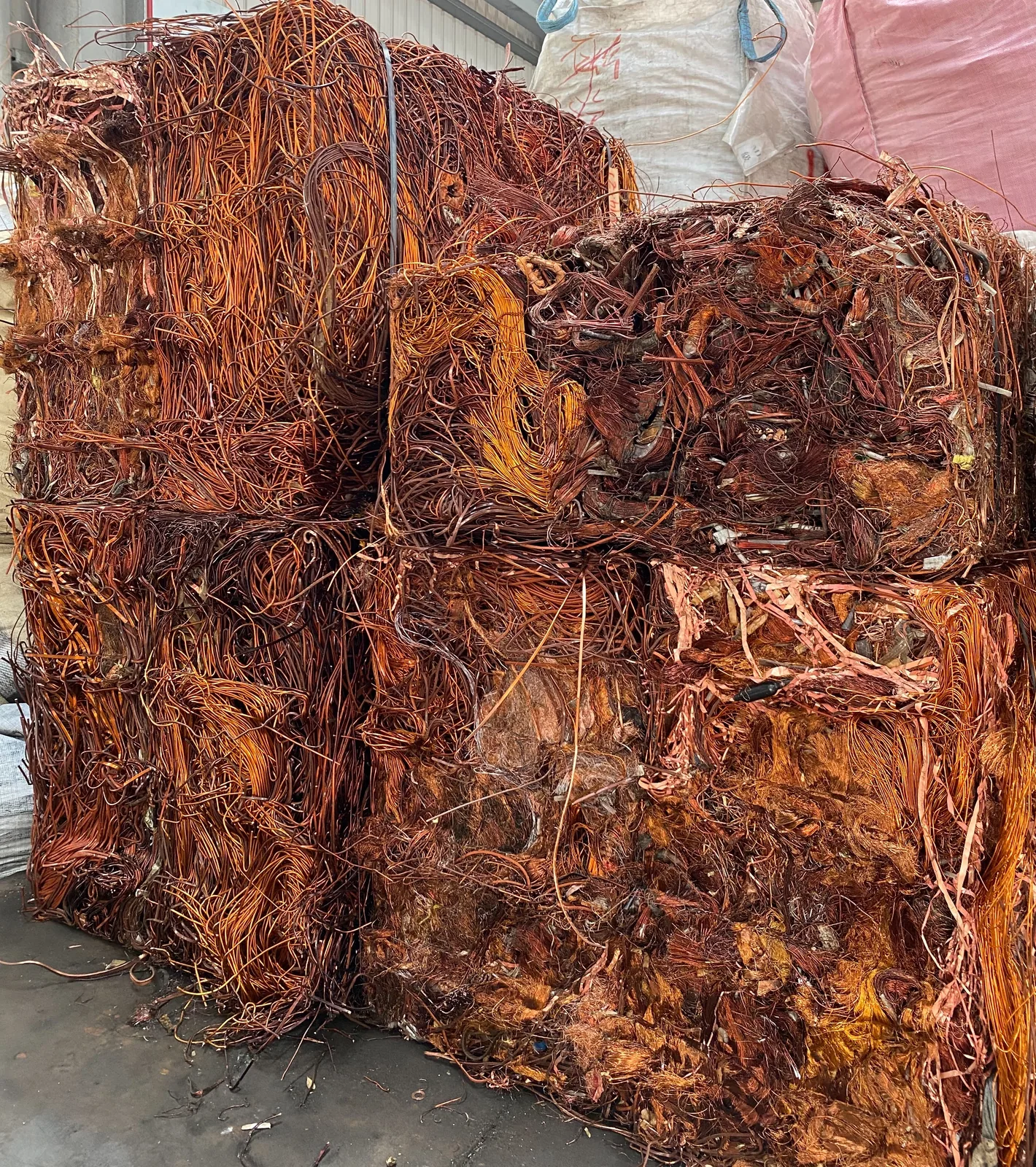
The first step in connecting metal recycling with ESG is not claiming a recycling rate; it is building a repeatable classification and record process. Material name, process origin, batch weight, contamination, and delivery date form the basis for traceability.
Mixing different copper materials increases sorting cost and makes recovered volume and value harder to verify. Clearly labelled containers, regular weighing, and retained transaction and transport documents improve consistency and reduce operational burden.
The circular economy aims to return material to a usable supply chain. Businesses can review scrap generation, sorting quality, downstream use, and partner processes, then report only sustainability indicators that are supported by actual records rather than unverifiable environmental claims.