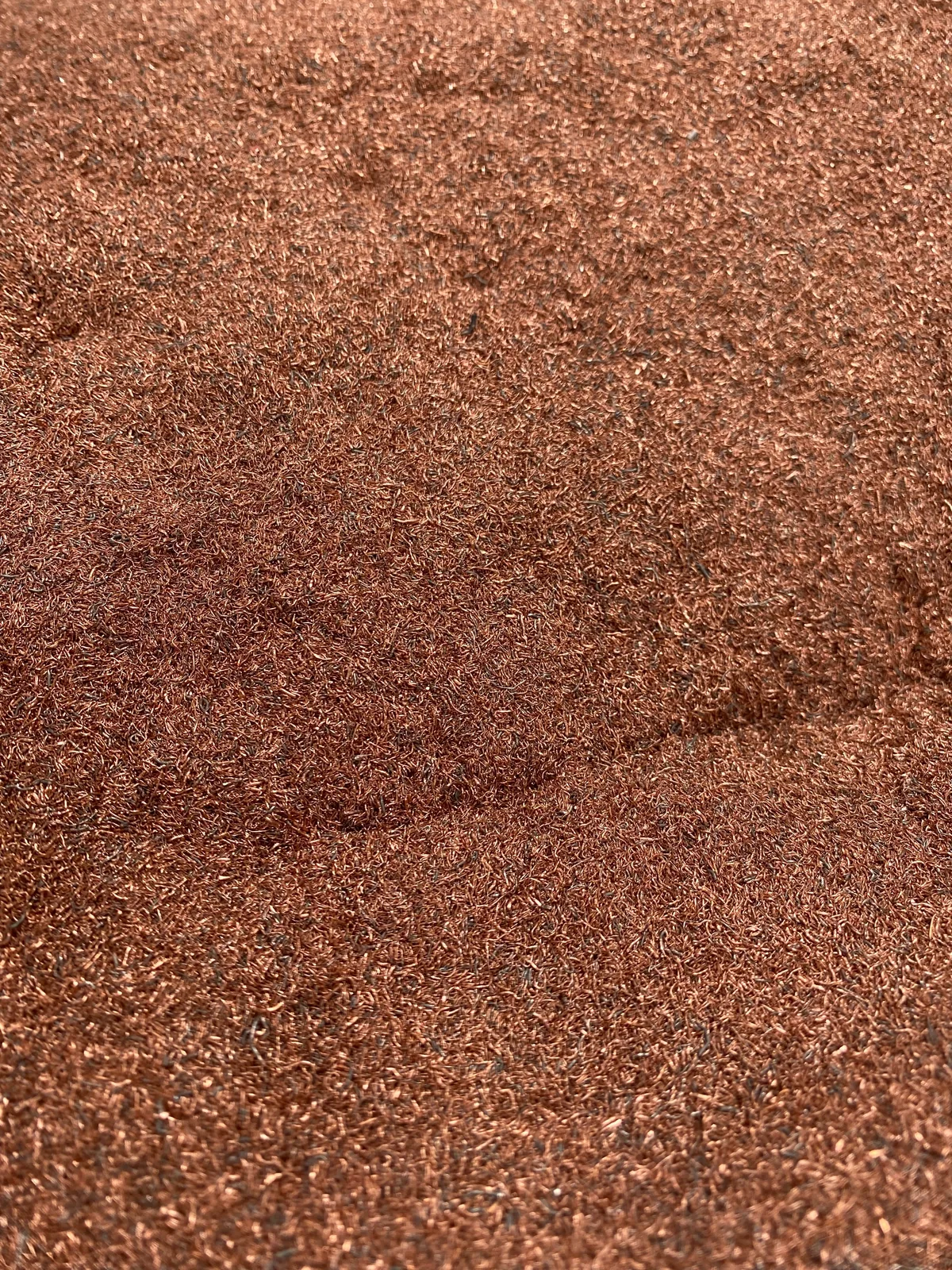


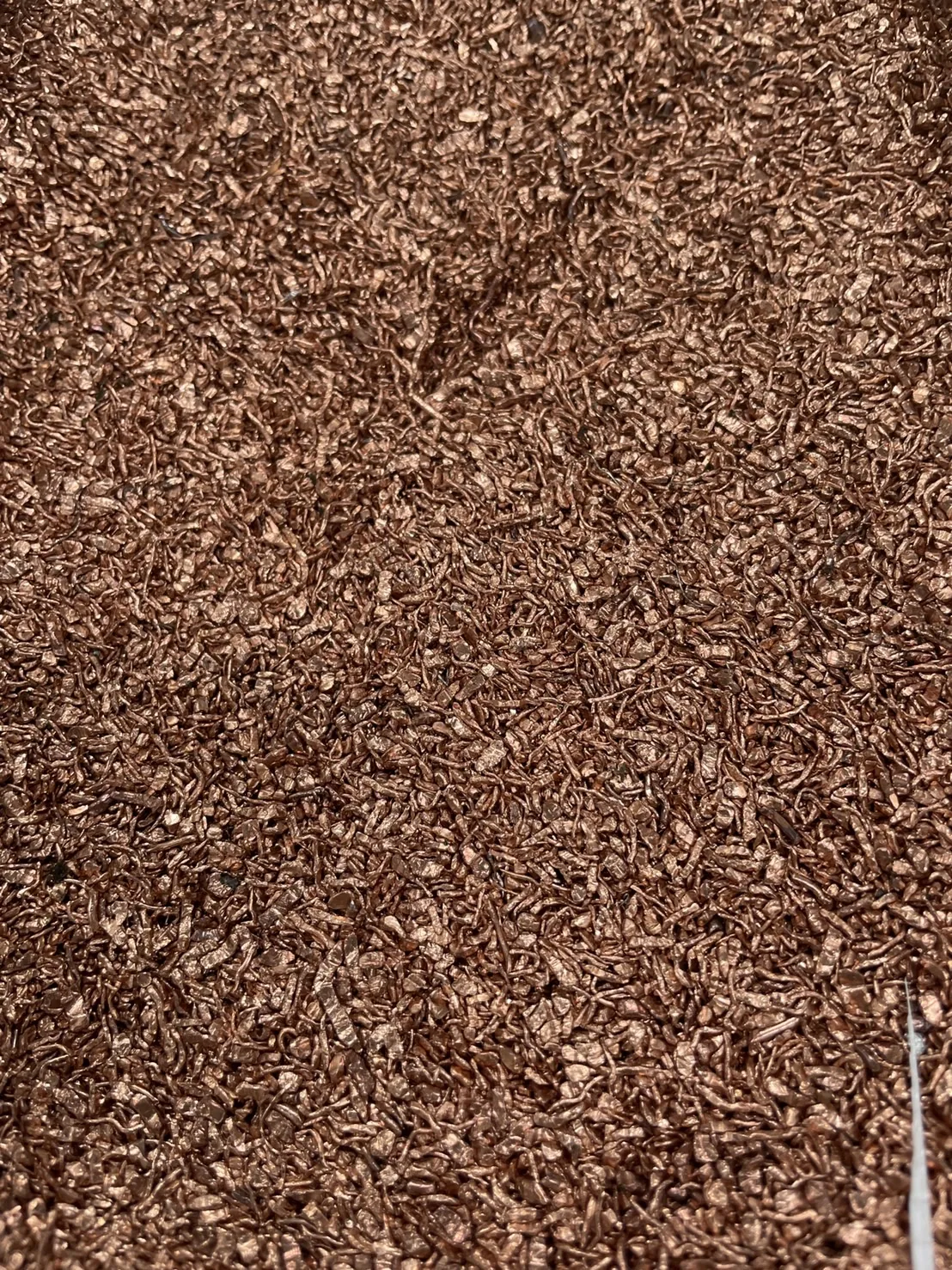
Copper granules come from cable shredding and separation. Assessment focuses on copper purity, particle size, plastic residue, moisture, and batch consistency. Red, tinned, and bright granules have different surfaces and origins and cannot be classified by name alone.
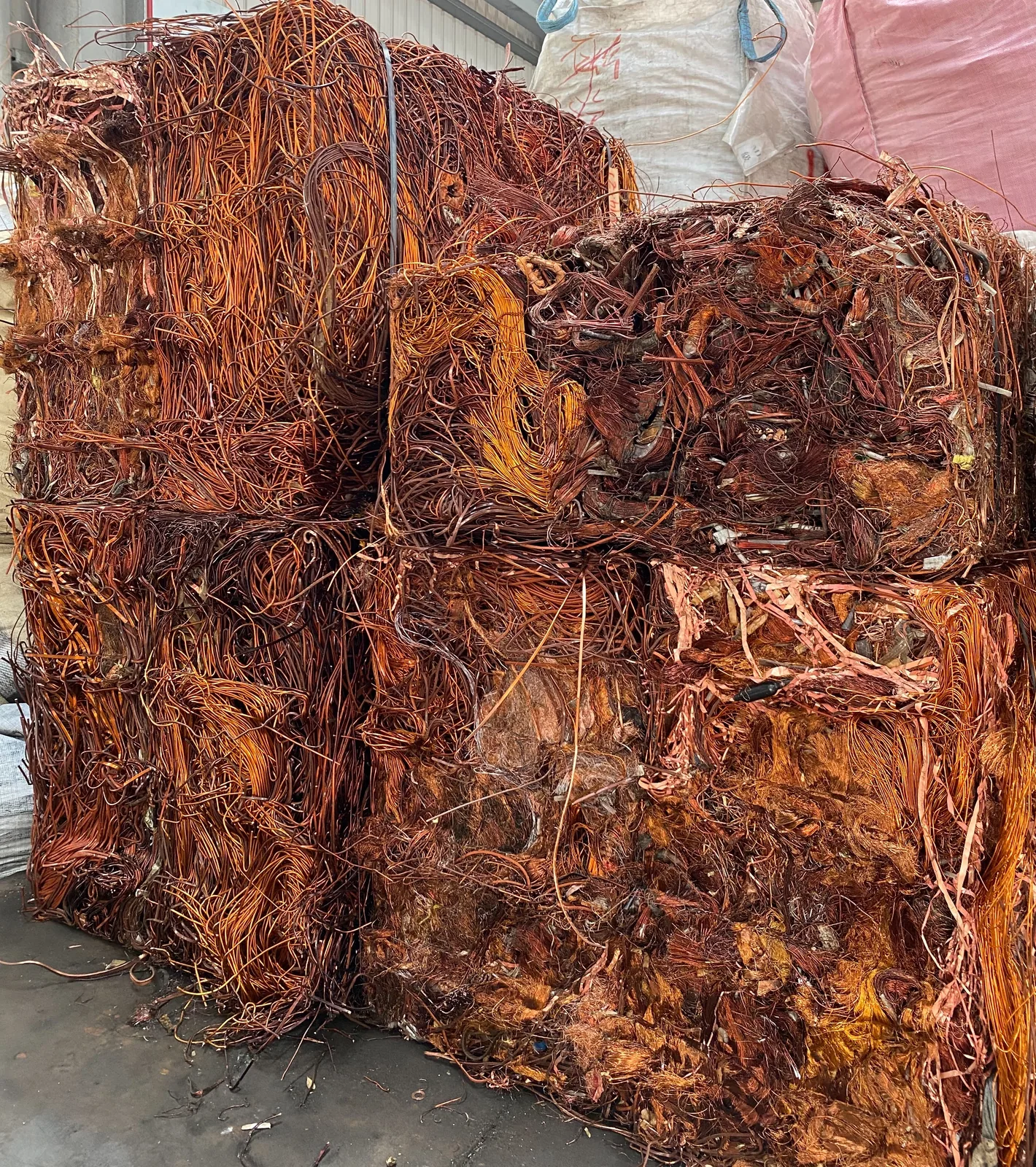
Motor wire often carries enamel or insulation, while copper foil may include resin, adhesive, or another substrate. These composite structures change effective copper content and separation cost, making process origin, specification, and contamination important.
Brass, bronze, gunmetal, and other copper alloys contain zinc, tin, or other elements and should not be valued as pure copper. Separate storage and composition, grade, or process information reduce misclassification and improve batch handling.